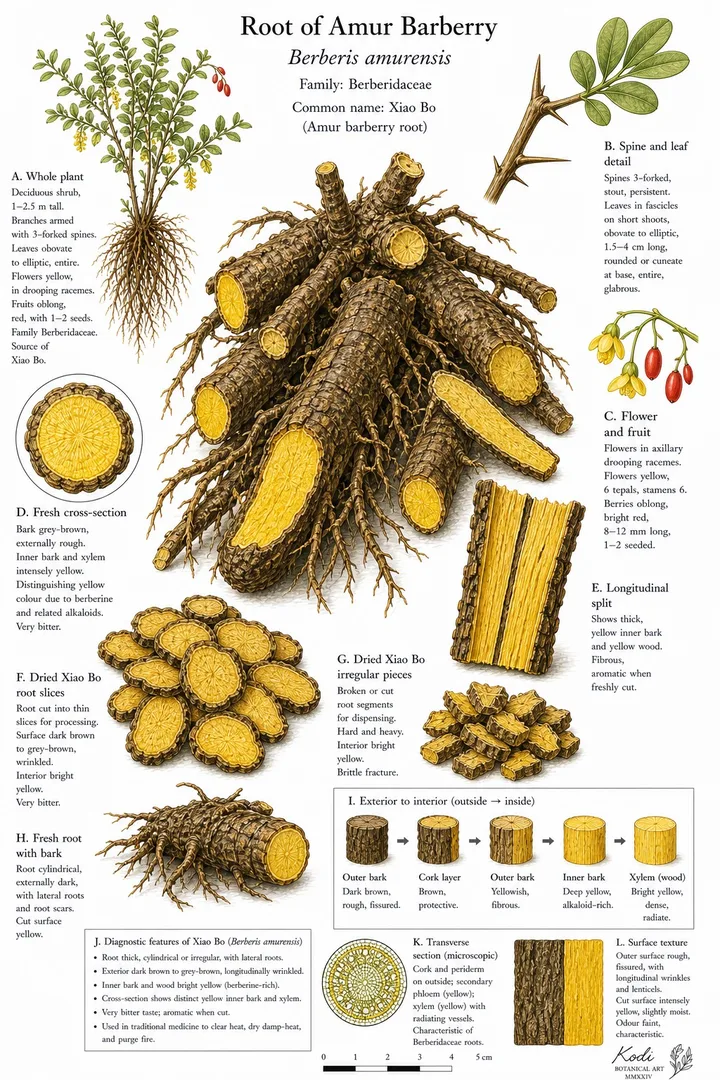
Isoquinoline alkaloid from Berberis and other plants
Berberine may improve blood glucose and some blood lipid measures in people with type 2 diabetes or related metabolic problems. That is a useful research signal, not permission to replace metformin, insulin, or another prescribed medicine. Most studies were short, many were conducted in Asia, products and doses varied, and some studies had quality problems. Berberine can also interact with medicines and is not considered safe for infants, pregnancy, or breastfeeding. Use this guide to decide whether the evidence fits you, what the label must disclose, and when a pharmacist or clinician needs to check the plan first.
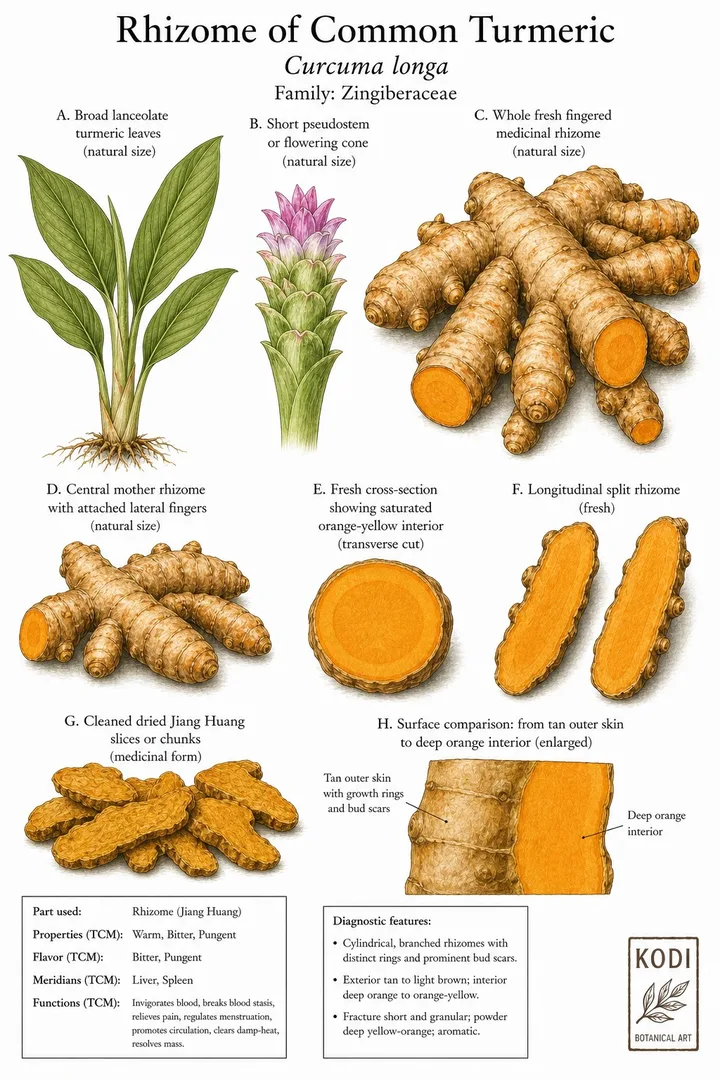
Curcuma longa extract
Curcumin is the primary bioactive polyphenol extracted from turmeric root. It modulates multiple inflammatory pathways simultaneously - including NF-κB, COX-2, and key cytokines - but its clinical impact depends entirely on the formulation. Standard curcumin without a bioavailability enhancer is poorly absorbed; piperine, phospholipid complexes, and nanoparticle delivery systems can increase absorption by up to 2,000%.
| Decision signal |
Berberine |
Curcumin |
| Evidence grade |
Moderate |
Moderate |
| Primary health goal |
Metabolic Health |
Inflammation & Recovery |
| Research focus |
May improve blood glucose measures in some people with type 2 diabetes; May improve some cholesterol and triglyceride measures; Creates a measurable trial only when medicine safety is checke… |
Joint comfort and osteoarthritis support; Exercise recovery and DOMS reduction; Systemic inflammation and oxidative stress |
| Studied dose and form |
Berberine HCl used in metabolic studies ... Common study totals were 0.9 to 1.5 grams per day ... Often divided across the day in short trials |
Curcumin + piperine (BioPerine®) ... 500–1,500 mg curcuminoids + 5–20 mg piperine ... With a fat-containing meal; split into 2 doses if >1,000 mg |
| What to check on the label |
First decide what result you are trying to measure. Blood glucose, HbA1c, LDL cholesterol, triglycerides, and body weight are not the same goal. A product page that promises all of them at once is hiding the fact that the evidence comes from different groups and studies.
The Sup… |
Formulation is everything with curcumin - this is not a supplement where higher milligrams on the label equals better outcomes. A product with 1,500 mg of unformulated 95% curcuminoid extract and no bioavailability enhancer will produce lower serum concentrations than 500 mg of a… |
| Main safety note |
Common reported side effects include nausea, stomach pain, bloating, constipation, and diarrhea. Berberine may interact with medicines. NCCIH specifically notes an interaction with cyclosporine and advises anyone taking medicine to speak with a health care provider before using b… |
Curcumin is well tolerated at standard doses; GI upset (nausea, loose stools) is the most common side effect and usually resolves with dose reduction or taking it with food. Curcumin inhibits platelet aggregation and potentiates anticoagulant and antiplatelet medications (warfari… |
This comparison organizes educational ingredient research. It does not establish that either supplement is appropriate for you and it does not compare a specific commercial product.
